
Online Truck Dispatch Training from Industry Leaders
Free Bootcamp with 1-on-1 Consulting

Best Fuel Card for Truckers in USA
Save big on fuel and manage your trucking business like a pro with the best fuel cards designed for trucking businesses.
Best Fuel Card for Truckers in USA
Save big on fuel and manage your trucking business like a pro with the best fuel cards designed for trucking businesses.

About Service
MaxTruckers is not a fuel card provider. Instead, we work with a carefully selected network of top-rated fuel card partners who offer exclusive savings and nationwide acceptance across 1,400+ fuel stations. We help you compare features like fuel discounts, line of credit availability, card controls, maintenance savings, and driver benefits — so you can choose the best card for your fleet’s needs. Our team ensures you’re matched with the right program, whether you’re an owner-operator or a growing fleet — all without hidden fees or forced commitments.
Our Goal is Simple
To make choosing the right fuel card faster, easier, and more rewarding for trucking businesses. We help you save on every mile, improve driver management, and strengthen your bottom line.
Difference Between Prepaid Fuel Card and Fuel Line of Credit Card
Prepaid Fuel Card
Works like a reloadable debit card
You deposit money in advance, Great for budget control and small fleets or owner-operators
Fuel purchases are deducted from your balance
Once funds run out, you must reload to continue using
Fuel Card with Line of Credit
Works like a credit card for fuel
You get a weekly or monthly credit limit (e.g., $6,000 per truck)
You pay after using the fuel — typically in weekly billing cycles
Ideal for cash flow management and growing fleets
For Whom
- Truckers
- Trucking Companies
- Owner Operators
- Fleet Owners
- Carriers
- Carrier Owners
Carriers of All Types
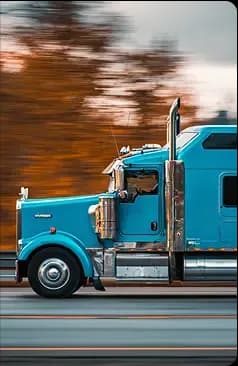
- BOX TRUCK
- POWER ONLY
- FLATBED
- REEFER
- HOTSHOT
- DRY VAN
Why Us
Save 20–42 cents per gallon at 1,400+ locations
Get up to $6,000 weekly line of credit per truck
Set card limits and control driver spend
Access tire, maintenance, and roadside discounts
Simplified invoicing and IFTA-ready report
Our TRUSTED fuelcard partners
What our customers have to say
Great company to work with. Nick was a big help helping me get everything started. All applications were easy and self explanatory.
Nataya Martinez
Happy Customer
5

Max Truckers have been totally professional. They communicate well and were very detailed.
Delorean White
Happy Customer
5

Nick was a wonderful agent, very professional and informative. He has a lot of patience and very helpful.
James Birdine II
Happy Customer
5

My experience with max truckers was Excellent from start to finish. Mrs Ruby I’m my opinion one of the best helpers I ever received from an active associate from a company. She keep in contact with my throughout our 6 month trail with the releasing of my situation from
Rick D
Happy Customer
5

Been working with Jenny for a while, always relaiable and I am looking forward to doing more business!
Saieh Ghavami
Happy Customer
4.9
Nick with Max Truckers was super helpful with finding me the services that I needed for my trucking business. He offered Factoring companies, dispatching services, and fuel cards. This will definitely set me up for success on my endeavor. Thanks 🙏🏽
Ashley Cannon
Happy Customer
5
FAQ'S
Which One Should You Choose?
| Feature | Prepaid Fuel Card | Fuel Line of Credit |
|---|---|---|
| Upfront Payment | Required | Not required |
| Best for | Small fleets, strict budgeting | Larger fleets, flexible cash flow |
| Credit Check | Not usually needed | Often required |
| Cash Flow Impact | Immediate | Delayed (postpaid) |
What are the benefits of a fuel card?
A fuel card is more than just a way to pay for fuel — it’s a comprehensive tool for managing costs, improving security, and streamlining back-office operations. Here are the key benefits of using a fuel card in your trucking business:
1. Significant Fuel Savings
Fuel cards offer access to exclusive, negotiated discounts at major fuel stations across the country, including Love’s, TA, Pilot, and Speedway. These savings typically range from 20 to 42(even more) cents per gallon, which can amount to thousands of dollars in annual fuel cost reduction for even a small fleet.
Many programs also include mobile apps or fuel locators to help drivers find the lowest-cost partner stations along their routes.
2. Enhanced Security and Driver Controls
Fuel cards give fleet owners full visibility and control over fuel spend. You can:
• Set daily, weekly, or monthly fuel limits
• Restrict purchases to specific fuel types (like diesel)
• Limit usage by geography, time of day, or day of week
• Require a driver-specific PIN or ID for every transaction
This level of control reduces the risk of fraud, misuse, and off-route fuelling.
3. Reduced Paperwork and Simplified Accounting
With all transactions digitally logged and consolidated, there’s no need to collect paper receipts or manually track driver fuel expenses. Fuel card systems provide:
• Automatic digital reports categorized by truck, driver, and route
• IFTA-ready data exports for tax filing
• Integration options with bookkeeping and TMS platforms.This significantly reduces administrative workload and errors.
4. This significantly reduces administrative workload and errors.
5. Additional Maintenance and Tire Discounts Some fuel cards include extended benefits like:
• Discounts on tires and parts through partner programs
• Savings on roadside service, oil changes, and PM services
• Access to national truck service networks
How to use a fuel card?
Using a fuel card is simple and efficient — but it’s also more secure and trackable than using a regular debit or credit card. Here’s how it typically works for a trucking operation:
1. Fuel at a Partner Location
Start by pulling into a fuel station that’s part of your fuel card’s accepted network. Many cards offer a mobile app or online map to help drivers locate partner stations with the best discounts.
2. Swipe the Card at the Pump
Insert or swipe your fuel card at the pump just like a regular credit card. Some cards also support mobile payment or in-app activation.
3. Enter Required Driver Information
To authorize the transaction, drivers are typically asked to enter:
• A driver ID or PIN
• Odometer reading (miles)
• Unit or truck number (optional)
This information links the transaction to a specific driver and vehicle, improving accountability and reporting accuracy.
4. Fuel Up and Complete Transaction
Once validated, you can pump fuel as usual. The amount and details of the transaction are instantly logged in your online dashboard.
5. Monitor and Manage Transactions Online
Fleet owners or dispatchers can log into the card provider’s dashboard to:
• View real-time fuel transactions
• Track MPG and fuel trends
• Set or adjust controls on card usage
• Export reports for accounting and IFTA
Fuel cards are designed to streamline the fueling process, reduce paperwork, and give you full visibility into how and where your fuel budget is being spent — all while unlocking savings at the pump.
What is weekly fuel line of credit?
A weekly fuel line of credit is a short-term credit arrangement offered by fuel card providers, allowing trucking companies to purchase fuel without paying upfront — and then pay the balance on a weekly basis.
It’s essentially a “buy now, pay later” system tailored for fleets and owner-operators who need to keep trucks moving without tying up working capital.
How It Works:
1. Your fuel card account is approved with a set credit limit (for example, $6,000 per truck per week).
2. You and your drivers use the fuel card at partner truck stops to fill up throughout the week.
3. At the end of the billing cycle (typically 7 days), the total fuel charges are invoiced.
4. You repay the full amount (via ACH, debit, or other payment methods) on the scheduled due date.
Some fuel card programs offer net-7 or net-14 repayment terms, while others require a deposit or weekly auto-debit. Always review the terms carefully and ensure your business can meet the repayment cycle.
What is the process for applying for a fuel card?
Applying for a fuel card is a straightforward process that typically takes less than 15 minutes — and approval can happen the same day for many programs. Here’s how it works step by step:
1.Choose the Right Fuel Card Program
Start by comparing options based on your fleet size, routes, fuel volume, and whether you need a line of credit or prefer a prepaid card.
MaxTruckers helps you evaluate the top programs from vetted providers to find the best fit — no sales pressure, no hidden fees.
2. Submit the Application
Once you’ve selected a card, you’ll fill out a short application online or over the phone. Typical information required includes:
• Legal business name and address
• DOT/MC number (if applicable)
• Number of trucks
• Estimated weekly fuel spend
• Business owner contact details
Depending on the card type, you may also be asked for EIN, bank details for ACH, or driver info.
3. Soft Credit Check (If Applying for a Line of Credit)
If the card offers credit terms (not prepaid), the provider may run a soft credit pull to assess eligibility.
Some may also request business verification documents or a personal guarantee if you’re a new authority.
4. Approval and Account Setup
Once approved, you’ll receive:
• Your fuel card(s) by mail or courier
• Login credentials for your online dashboard
• Instructions for activating cards, setting limits, and managing drivers
5. Start Fuelling & Saving
Once your card is active, you can begin using it at partner truck stops to take advantage of fuel discounts, expense tracking, and driver controls. You’ll also get access to reporting tools for IFTA, maintenance, and more.
What is a Truck Fuel Card?
A truck fuel card is a payment and fuel-management tool for commercial trucking operations. Drivers use it at participating fuel stations, while the business tracks purchases through the provider. A card may offer per-gallon discounts, a prepaid balance, or a line of credit.
For an owner-operator, a trucking fuel card in USA can make fuel spending easier to track. For fleets, it can connect purchases with drivers, trucks, routes and spending limits. Some programs also include tyre and maintenance discounts.
How Do Fuel Cards Work for Trucking Businesses?
Fuel cards operate through participating fuel stations and an account managed by the provider. Businesses can compare station coverage, discounts, credit terms, fees, controls, and reporting tools. A prepaid card requires money to be loaded before fuel is purchased. A line-of-credit card lets an approved business buy fuel first and repay the balance under the provider’s terms.
MaxTruckers offers programs with a weekly credit of up to $6,000 per truck. At the pump, drivers may enter a PIN or driver ID, odometer reading, and truck information. The transaction is recorded in the provider’s system for accounting and IFTA work. It is important to note that the terms may vary as per the provider.
Benefits of Using a Truck Fuel Card in USA
Fuel is an ongoing expense for trucking companies. Even making savings per gallon can add up to a significant amount over miles. Here's why we recommend using fuel cards for trucks across the USA:
Fuel cost management: Compare participating locations and discounts before a trip.
Cash-flow planning: Use prepaid or credit-based options based on business needs.
Driver accountability: Use cards, PINs, and transaction records to monitor purchases.
Organized records: Keep fuel purchases together for accounting and IFTA work.
Maintenance savings: Access eligible tire or service programs.
The Best Fuel Card for Truckers USA is not necessarily the card with the biggest advertised discount. Coverage, routes, fees, credit terms, controls and extra services matter. Therefore, it is important to do appropriate research before choosing the best fuel cards for owner operators in USA.
Max Truckers Fuel Card Partners
MaxTruckers is not a fuel card provider. However, as one of the top trucking companies in the USA, we work with selected partners and help trucking businesses compare programs. The fuel cards we provide include:
TCS Fuel Card
TCS is one of the fuel card options available through MaxTruckers. You can use the TCS fuel card at more than 12,000 locations in the USA and Canada. It gives fuel discounts at more than 1800 places in the network. If we talk about statistics, we noted 47 cents average discount per gallon in client transactions in Q1 2024.
The card includes access to the TCS Fuel Finder, which helps drivers locate in-network discount locations along their routes. MaxTruckers also highlights fuel transaction controls, an online portal and mobile app, tire and service discounts, and 24/7 customer service. The TCS account is cash-secured rather than a credit line. This makes it one of the best fuel card for truckers USA.
RoadEx Fuel Card
RoadEx is another fuel card option available through MaxTruckers. The information published by MaxTruckers lists nationwide acceptance at more than 1,500 locations, including Love’s, TA, Petro, Speedway and other fuel stops. The program offers a weekly fuel line of credit of up to USD 6,000 per truck per week.
They also offer 24/7 customer service, an average savings of USD 40 per tire, and a fuel locator application that helps drivers find stations accepting the card. These features make the RoadEx Fuel card one of the ideal and best fuel cards for owner operators in USA .
Fuel Card Options for Different Types of Trucking Businesses
Fuel needs can vary from one trucking operation to another based on the type of equipment you use, the routes you run and the amount of fuel your trucks consume. Here’s why fuel cards can be beneficial for different types of trucks and trucking businesses:
Owner-operators: May prioritize simple controls, discounts and broad station access.
Small trucking companies: May need several cards, spending limits and organized records.
Fleet owners: May need truck-level and driver-level visibility.
New trucking companies: Can compare prepaid and credit programs based on eligibility and cash flow.
Dry van carriers: Can prioritize coverage along regular freight corridors.
Reefer carriers: May need convenient access to reefer fuel.
Flatbed carriers: May need coverage across varied routes.
Hotshot truckers: May value flexible fueling options.
Box truck operators: May focus on local and regional coverage.
Power-only carriers: May need broad coverage across changing routes.
How Fuel Cards Can Help Manage Fleet Fuel Expenses
Fuel cards turn every fueling transaction into valuable operating data for the individual. Fleet managers can audit purchases by driver, truck, date, location or amount and compare fuel spend with expected activity. You can flag unusual transactions for review, and recurring records can show changes in fuel consumption or spending patterns. These records can be used for purchase controls expense audits accounting and IFTA reporting. Reporting formats vary by provider.
Fuel Card Security and Driver Spending Controls
Companies may issue cards or PINs specific to a driver, establish purchase limits, restrict fuel types and limit transactions by geography, time or day depending on the provider. Online monitoring allows managers to detect unusual activity if it arises.
If a card is lost or stolen, the account administrator can typically deactivate it or put restrictions on it via the provider. This allows you to restrict unauthorized purchases and track who used the card, where and what was purchased.
Why Should You Choose Max Truckers for a Truck Fuel Card in USA?
MaxTruckers is not a fuel card issuer. Our role is to help trucking businesses compare programs from selected providers based on their actual operating needs. We look at factors such as fuel volume, routes, fleet size, station coverage, credit requirements, spending controls,
maintenance benefits and reporting needs. We study and analyze data to provide the truckers with the best fuel cards for owner operators in USA.
This matters because an owner-operator running one truck may have different priorities from a fleet with multiple units. A new carrier may also need to consider credit eligibility and payment terms before choosing a card. MaxTruckers can help you review options and apply for your selected program. The comparison service does not require a forced commitment from MaxTruckers.
We believe that the best fuel card for truckers USA should fit the roads you run, trucks you operate, and way you manage fuel. Still looking for a trucking fuel card in USA? Contact our team today.