
Online Truck Dispatch Training from Industry Leaders
Free Bootcamp with 1-on-1 Consulting



Truck Factoring Company in USA
COMPARE, CHOOSE AND APPLY FROM THE TOP FACTORING PROGRAMS FOR TRUCKING
Truck Factoring Company in USA
COMPARE, CHOOSE AND APPLY FROM THE TOP FACTORING PROGRAMS FOR TRUCKING
We help you select the best factoring program
Truck Factoring is a financial service where trucking companies receive advance payments for their delivered loads by selling their invoices to factoring companies. Instead of waiting 30–45 days for brokers to pay, you get paid the same day.
Our Role in Helping You Choose the Right Truck Factoring Program
MaxTruckers is not a factoring company. Instead, we act as a strategic guide to help you navigate the confusing world of freight factoring.
We work with a curated network of vetted, trusted truck factoring companies across the country. We help you:
● Compare and evaluate factoring proposals — whether you prefer recourse or non recourse, flat rate or reserve-based plans , so on
● You get the best deal for your specific needs.
You’ll receive clear, transparent options from multiple top-rated factoring providers in minutes, not days — all without the sales pressure or forced contracts.

Our Goal is Simple:
To make factoring selection faster, easier, and smarter for trucking companies. We simplify decision-making, protect your bottom line, and make sure your cash flow stays strong.

This service is ideal for:
- Owner-Operators
- Small Fleet Owners
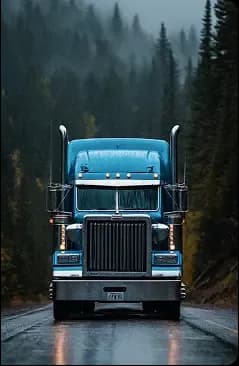
All Vehicle Types:
- Power Only
- Reefer
- Flatbed
- Dry Van
- Box Trucks
- Hotshots

Why Choose MaxTruckers for Factoring?
100% Verified, Top-Rated Factoring Companies
Impartial, Fair, and Free Consultation
Proposals tailored to your business model
Recourse & Non-Recourse options
Dedicated MT Buddy support
What our customers have to say
Great company to work with. Nick was a big help helping me get everything started. All applications were easy and self explanatory.
Nataya Martinez
Happy Customer
5

Max Truckers have been totally professional. They communicate well and were very detailed.
Delorean White
Happy Customer
5

Nick was a wonderful agent, very professional and informative. He has a lot of patience and very helpful.
James Birdine II
Happy Customer
5

My experience with max truckers was Excellent from start to finish. Mrs Ruby I’m my opinion one of the best helpers I ever received from an active associate from a company. She keep in contact with my throughout our 6 month trail with the releasing of my situation from
Rick D
Happy Customer
5

Been working with Jenny for a while, always relaiable and I am looking forward to doing more business!
Saieh Ghavami
Happy Customer
4.9
Nick with Max Truckers was super helpful with finding me the services that I needed for my trucking business. He offered Factoring companies, dispatching services, and fuel cards. This will definitely set me up for success on my endeavor. Thanks 🙏🏽
Ashley Cannon
Happy Customer
5
FAQ'S
What is truck factoring?
Truck factoring (also called freight factoring) is a way for truckers and carriers to get paid faster for the loads they haul — instead of waiting weeks or months for brokers or shippers to pay.
How does truck factoring work?
When you deliver a load, the broker usually takes 30 to 45 days to pay. That delay can cause cash flow problems — especially when you need money now for your operating expenses such as fuel, driver pay, or repairs.
Factoring companies solve this by buying your invoice and paying you upfront, usually within 24 hours. Example:
Let’s say you hauled a load for $2,000.
1. You deliver the load and get the Rate Confirmation, BOL, and other paperwork.
2. You send this paperwork to a factoring company.
3. They verify the broker and then pay you $1,940 (after charging a 3% fee).
4. Later, they collect the full $2,000 from the broker. So you get your money immediately, and the factoring company waits to get paid.
Why would I use truck factoring?
Truck factoring helps you run your business with steady cash flow, less stress, and fewer delays.
Here’s a comparison to show why many owner-operators and carriers choose to work with factoring companies:
Without Factoring: You Do Everything & Wait to Get Paid
1. You deliver the load
2. Broker promises to pay in 30 to 45 days
3. Meanwhile, you must:
○ Cover fuel, driver pay, tolls, etc. — upfront
○ Handle all paperwork and billing
○ Follow up with the broker (emails, phone calls)
○ Wait (and hope) for payment
This creates cash crunches, delays in taking new loads, and back-office stress.
With Factoring: You Get Paid Now, They Handle the Rest
1. You deliver the load
2. You send the invoice + paperwork to a factoring company
3. They:
○ Pay you within 24 hours (usually 97% of invoice value)
○ Invoice and collect from the broker directly
○ Handle follow-ups, collections, and payment tracking
So you focus on driving and booking your next load, not waiting or chasing payments.
Why Use Truck Factoring?
● Instant cash flow (no more waiting 30+ days)
● Professional back-office support (paperwork, invoicing, collections)
● Risk protection (with non-recourse factoring)
● Business growth (more loads, less downtime)
What are the different types of truck factoring?
There are two main types of truck factoring: Recourse and Non-Recourse. The key difference is about who takes the risk if the broker doesn’t pay:
1. Recourse Factoring: In this kind of factoring the complete liability of the invoice is not taken over by the factor in case of non payment by broker.
● If a broker goes out of business or fails to pay, the factoring company can charge the amount back to you.
● It’s usually cheaper (lower fees) because the risk stays with you.
Example:
You factor a $1,000 load. The factoring company gives you $970 (after a 3% fee). If the broker doesn’t pay within 60–90 days, the factoring company may deduct $1,000 from your next payout or ask you to repay it.
2. Non-Recourse Factoring: The factoring company takes over the complete liability of the invoice factored.
● The factoring company assumes the risk of non-payment by the broker.
● If a credit-approved broker fails to pay (e.g., bankruptcy), you’re still protected — you keep the money.
● Usually comes with higher fees.
Example:
You factor a $1,000 load and get $960 (after a 4% fee). If the broker doesn’t pay, you don’t owe anything — the factoring company takes the loss.
Summarizing:
| Factor Type | Who Takes Risk? | Cost | Ideal For |
| Recourse | You (Carrier) | Lower | Carriers confident in broker reliability |
| Non-Recourse | Factoring Company | Higher | Carriers wanting risk protection |
How much is the factoring fee I have to pay?
The factoring fee you pay depends on a few key variables — primarily the type of factoring, your invoice volume, and the payment behavior of your brokers.
Here’s What Affects Your Fee:
1. Type of Factoring: - Recourse factoring usually costs less (lower risk for the factor) - Non-recourse factoring costs more (they take the risk)
2. Volume of Invoices: - The more invoices you factor, the better rate you can negotiate. - High-volume carriers get lower percentage fees.
3. Pricing Models:
● Flat Rate (Best Option):
○ A fixed % (e.g., 2.5%–3.5%) of the invoice value regardless of how long the broker takes to pay.
○ Easy to understand and budget.
● Tiered/Slab-Based Rate (By Days-to-Pay):
○ Example: 2% for 0–15 days, 3% for 16–30 days, etc.
○ Fee increases the longer it takes the broker to pay.
● Reserve-Based Model:
○ The factoring company gives you 80–90% upfront, holds the rest as a reserve, and releases it after deducting fees (fixed %) once the broker pays.
What's the Average Rate?
● Most factoring fees range from 2.5% to 3.5% per invoice.
● Lower for large, creditworthy fleets.
● Slightly higher for smaller or new carriers.
Whenever possible, go for a simple, flat-rate, non-complicated plan with no hidden fees — this helps you manage your cash flow with confidence.
Should I factor all my freight invoices?
No — you don’t have to factor all your invoices anymore.
In the past, most factoring companies required carriers to factor every load under what's called an “all-in” contract. But the industry has evolved.
Today, Most Factoring Companies Offer:
● Flexible Factoring: Choose which invoices you want to factor — no forced factoring.
● Selective Factoring Plans: Great if you only want to factor slow-paying brokers or need occasional cash flow boosts.
Why This Matters ? :
● You stay in control of your finances
● You avoid factoring invoices from brokers who pay quickly
● You can reduce fees by only factoring when necessary
If flexibility is important to you, make sure your factoring agreement includes a non mandatory / non-recourse or spot factoring clause.
How to Select the Right Truck Factoring Company
Choosing the right truck factoring company is critical to maintaining healthy cash flow and minimizing operational stress. Here are five key things to consider:
5 Key Items to Consider:
1. Type of Factoring Needed:
● Determine whether you need recourse or non-recourse factoring.
● We recommend non-recourse factoring for added protection against broker defaults.
2. Fees and Charges:
● Look for simple, flat-rate factoring fees (e.g., 2.5–3.5%).
● Avoid providers with hidden charges like invoice processing fees, ACH fees, or minimum volume penalties.
3. Support Structure:
● Ensure the factoring company provides a dedicated account manager.
● Having a single point of contact ensures smoother communication and quicker issue resolution.
4. Transparency of the Program:
● Always schedule a detailed discovery call before signing anything.
● Read the contract carefully to understand the terms, lock-ins, reserves, and exit clauses.
5. Industry Experience and Reviews
● Look for companies with proven experience in the freight and logistics industry.
● Check online reviews, ratings, and get direct references from other carriers.
Our Recommendation:
At MaxTruckers, we’ve evaluated dozens of factoring providers using a 20+ point checklist. We partner only with trusted, pre-vetted, top-rated factoring companies that meet the needs of modern carriers. Our consultants will be happy to answer your questions and help you choose the best program based on your business needs.
Truck Factoring Services in USA
Truck factoring gives carriers a way to turn eligible freight invoices into working cash before the customer’s normal payment cycle ends. A truck factoring company in USA purchases or advances against eligible invoices and later collects the invoice amount from the customer or broker under the agreed arrangement. This can be useful in the US trucking industry, where the timing of receivables can affect how a carrier handles regular operating expenses.
The most important question for a carrier looking at truck factoring services in USA is not only how fast you can get your money, but also how much the program costs, what invoices are eligible, how reserves are handled, what obligations you’ll still have as a carrier, etc. The details of the factoring agreement are important, as each provider has its own way of structuring its programmes.
How Does Truck Factoring Work?
The truck factoring process starts after a carrier completes a load and has an eligible invoice supported by the required freight documents. The carrier submits the invoice and related paperwork to the factoring provider. The provider determines whether the receivable meets its approval criteria.
Once the invoice is approved, the factoring provider releases an advance based on the agreed percentage of invoice value. The residual amount may be held as a reserve depending on the pricing structure. Upon payment of the invoice by the broker or customer, the provider will release any applicable reserve, less the agreed factoring fees and other charges.
The exact process may vary for a carrier choosing between providers. Certain providers may provide electronic document submission, online account access, invoice tracking, or assistance with payment follow-up. Before signing, carriers should look at how verification, reserves, fees, disputes and non-payment are handled.
Key Benefits of Truck Factoring Services
Factoring can give a carrier greater visibility over when money from completed loads becomes available. Potential benefits include:
Working capital tied to completed freight can become available sooner.
Carriers may have more predictable access to funds for recurring expenses.
Faster access to receivables can help reduce pressure between payment cycles.
Some factoring providers handle invoice collection and payment follow-ups.
Flexible programs may allow carriers to factor selected invoices rather than every eligible load.
For a carrier reviewing USA truck factoring services, these benefits should be considered alongside fees, reserves, contract terms, and eligibility requirements. The best truck factoring company in USA for one carrier may have a different cost structure or program design from another carrier’s preferred option.
Truck Factoring for Different Types of Trucking Businesses in USA
Factoring requirements can vary with the size and operating model of a carrier. For owner operators, truck factoring can mean fewer invoices and more focus on the operating costs of the day and simple account management. Small fleets and small trucking companies may need a programme that can handle a few trucks, drivers and invoices.
New trucking companies may need to pay particular attention to eligibility, customer credit requirements, and contract terms. Dry van and reefer carriers can have different freight volumes and broker relationships, while flatbed carriers may work with different payment patterns. Box truck operators and hotshot truckers may have smaller or more varied invoices. Power-only carriers may move between different customers and lanes, making customer mix and invoice volume relevant when reviewing factoring options.
Thus, the right program can be a function of invoice volume, broker relationships, payment terms, operating expenses and how often the carrier needs to access receivables. A truck factoring company in USA may offer different rates and terms based on these factors.
Truck Factoring vs. Traditional Business Financing
There are other ways to get the capital, such as invoice factoring and traditional financing. Invoice factoring is a form of financing based on outstanding freight invoices or accounts receivable. The factoring provider pays a carrier an advance against eligible invoices once the underlying work is completed. The factoring provider then collects the receivable according to the agreement.
A traditional business loan is where you are loaned the money, and the business pays the money back on a schedule. Approval is subject to certain factors such as the lender’s eligibility criteria, business financials, credit profile and ability to repay.
A business line of credit provides access to a predetermined borrowing limit. The carrier can draw funds subject to the terms of the agreement, with interest and other charges determined by the provider.
For businesses comparing factoring services for trucking companies in USA, the important question is how each option fits the timing of expenses, available receivables, qualification requirements, repayment obligations and total cost. Factoring is not an alternative for all types of business financing.
What Documents Do You Need for Truck Factoring?
Commonly requested documents for truck factoring in USA include:
Articles of incorporation or business formation documents
Motor carrier authority information
Business license, where applicable
Tax identification information
Bank account details
Customer or broker information
Freight invoices
Bills of lading
Proof of delivery documents
Accounts receivable ageing reports
Owner or business identification documents
Voided cheque or bank verification document
How Quickly Can a Trucking Company Get Factoring Funds?
Funding speed depends on several steps rather than a single standard turnaround. After an invoice is submitted, the provider may need to verify the invoice, confirm the broker or customer, review supporting documents, and complete credit approval. A signed factoring agreement and valid funding method may also be required before money is released.
For USA truck factoring services, the timing can therefore vary by provider, invoice, customer, and application status. Complete documentation and prompt invoice verification can affect how quickly a transaction moves through the provider’s process.
How to Compare Truck Factoring Companies
When comparing providers, look at the total cost rather than focusing only on the advertised factoring percentage. Ask whether fees are flat or tiered and check for processing, ACH, minimum-volume, reserve or other charges.
Review funding terms, including the advance percentage, reserve structure, and typical funding speed. Contract flexibility also matters. Check whether the agreement requires minimum invoice volumes, a fixed term, or other commitments.
Risk protection deserves careful attention. Recourse and non-recourse programs can assign responsibility for unpaid invoices differently, so carriers should understand exactly what each option covers and what exclusions apply.
Customer support is another practical consideration. Ask about account access, availability, and whether a dedicated representative handles questions. Some programs may also provide fuel cards, fuel advances, or other trucking-related services. A USA truck factoring company may package these services differently, so compare the full offer.
MaxTruckers helps carriers compare available programs rather than acting as the factoring provider. A carrier looking for the best truck factoring company in USA can review available proposals with the MaxTruckers team and compare the terms against its actual business requirements.
Truck Factoring and Cash Flow Management
Factoring can be considered as part of a carrier’s broader cash-flow planning. Reliable access to the proceeds of eligible freight invoices can assist businesses plan for recurring expenses such as fuel, driver payroll, maintenance, insurance, tolls, repairs, equipment payments and other operating expenses.
A company with reliable cash reserves may have different needs from a carrier that regularly faces gaps between completing loads and receiving customer payments.
Truck factoring for owner operators can be particularly relevant when one business owner is managing both driving and operating expenses, but the same cash-flow considerations can apply to larger carriers. Factoring also carries fees and contractual obligations, so carriers should compare the total cost against the cash-flow problem they are trying to address.
Max Truckers - Best Truck factoring company in USA
MaxTruckers helps trucking businesses review and compare available factoring programs based on their operating circumstances. If you are looking for truck factoring services in USA, the MaxTruckers team can help you compare proposals from a truck factoring company in USA, review important program terms, and consider factors such as invoice volume, payment patterns, operating expenses, and funding requirements before selecting a provider. This gives carriers a practical starting point when evaluating factoring services for trucking companies in USA and choosing a program that fits their financial situation.
Contact Max Truckers to more about the best factoring services for trucking companies in USA.